Drug

LSD addiction | when escape becomes a pattern

LSD addiction in the usual sense is rare. But if you use LSD to break daily routine or escape your problems, this hallucinogen can certainly become problematic.

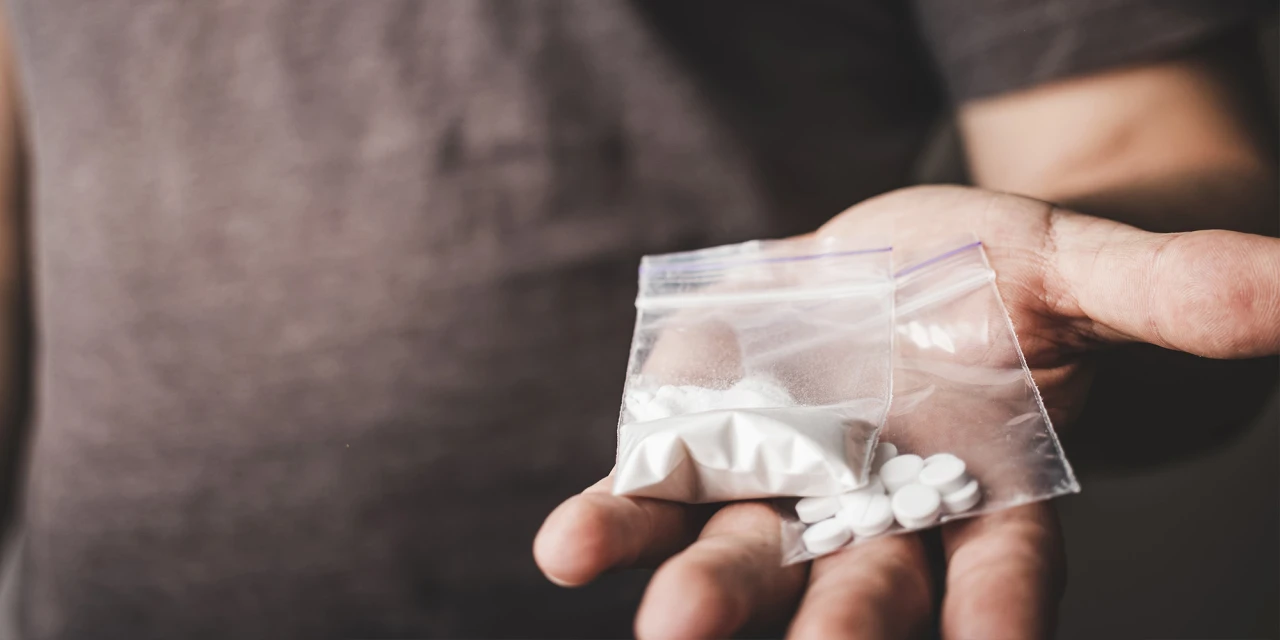
A person holds a small bag containing white powder and pills, representing substance misuse and the risks connected to LSD addiction.
Need help? Reach out for personal advice

LSD addiction is often misunderstood. While LSD may not cause physical dependence in the same way as some other substances, repeated use can still lead to psychological patterns that are difficult to break. What can start as curiosity or experimentation may gradually shape how you think, feel and cope with reality.

A person places a pill on their tongue under neon lighting, showing recreational drug use associated with LSD addiction.
How LSD addiction takes shape: the drug doesn't hook the body the way opioids do, but the mind can grow used to the escape.

LSD (lysergic acid diethylamide) is a psychedelic drug that affects your perception, mood and thought processes. It is often associated with altered states of consciousness, visual distortions and intense emotional experiences.

Different from most drugs but far from innocent

LSD addiction usually refers to a psychological reliance rather than a physical dependency. This means you may feel drawn to using LSD repeatedly, for example to escape reality, explore certain feelings or cope with underlying challenges. Although LSD does not typically cause withdrawal symptoms like alcohol or opioids, your patterns of use can still become problematic over time.

Call us

Whether you can get addicted to LSD depends on how you define addiction. You will not develop a physical dependency and classic psychological dependence in the strict sense is uncommon too. What can happen, is that you keep using LSD despite knowing the risks. Continuing to use a substance while aware of its possible harm is, in itself, a form of addictive behaviour.

How LSD use can become a problem

You may be at risk of becoming addicted to LSD if you keep returning to it despite the risks or if you rely on it to cope with emotions or stress. This also applies when you find it difficult to stop, even if you want to. It is also a concern if the aftermath of your use starts to affect your relationships or mental wellbeing. Think of lingering anxiety, a constant preoccupation with the next trip or using LSD to avoid real life. In these cases, it may not be about the substance itself, but about what the substance represents or helps you avoid.

Do you have questions about this or would you like to talk about your LSD use? Give us a call on +27 21 541 0643. This also goes if you are worried about your partner, friend or relative who uses LSD.

Our team
My name is Quanita and I'm a social worker.
Read Quanita's story
Portret van Quanita Abrahams, maatschappelijk werker bij afkickkliniek Zuid-Afrika.

The LSD addiction potential is often described as low compared to many other drugs. LSD does not trigger the physical cravings you see with alcohol, opioids and other substances and tolerance builds within days, which makes frequent use less likely. The real risks of LSD, however, lie elsewhere.

A trigger for psychosis

LSD has a strong influence on your mental state through its hallucinogenic effect. If you are sensitive to psychosis, LSD can trigger a psychotic episode. It can also provoke a bad trip, in which you may do things that put you or those around you at risk or experience intense panic. Even when you are sober again, flashbacks can occur: moments where fragments of a previous trip suddenly return.

LSD can also:

  • reinforce certain thought patterns or beliefs
  • intensify underlying psychological issues
  • lead to repeated use in search of specific experiences
  • contribute to anxiety, confusion or detachment from reality
Dual diagnosis: addiction and mental health together

If you have underlying mental health concerns, LSD use can become part of a cycle that is hard to step out of without help. Our team specialises in dual diagnosis: treating addiction and mental health conditions together, because they so often reinforce one another. Reach out to us by calling +27 21 541 0643 or by leaving your contact details online.

Recognising the signs of being addicted to LSD can be difficult, especially because the effects are not always visible in the same way as other addictions.

Possible signs include:

  • frequent or planned use of LSD
  • preoccupation with past or future trips
  • difficulty functioning without altered states
  • emotional instability, anxiety or confusion
  • withdrawal from responsibilities or relationships
  • ongoing use despite negative experiences

If you recognise some of these patterns, it can be a signal that something deeper may be going on. Get in touch with our specialised team to get help with your LSD addiction.

Small LSD tabs are held on a fingertip with tweezers, illustrating the use of hallucinogenic substances linked to LSD addiction.
A bad trip, lingering anxiety, or a flashback can shape how you feel long after the drug wears off.

In many cases, LSD use is not just about the drug itself. It may be connected to underlying factors such as:

This is where a dual diagnosis approach can be important. Instead of only focusing on stopping LSD use, it can help to also look at what is driving your behaviour.

Rehabilitation Center

Our location in South Africa

Set in the quiet coastal village of St James in the Western Cape, our centre gives you the space and distance to focus fully on recovery. Away from daily triggers and surrounded by the calm of the South African coastline, lasting change becomes possible.

  • Luxurious sleeping

  • Secure Wi-Fi

  • Ocean view

  • Sports facilities

  • All food included

  • Swimming pool

  • Relax rooms

  • Ensuite bath and shower

LSD addiction treatment focuses primarily on psychological support rather than physical detox.

Treatment may include:

  • exploring your triggers and patterns of use
  • understanding the role LSD plays in your life
  • addressing underlying mental health concerns
  • developing healthier coping strategies
  • rebuilding structure and daily functioning

Because LSD addiction is often linked to deeper emotional or psychological processes, treatment is usually tailored to the individual.

+27 21 541 0643

An LSD rehab programme offers a structured environment focused on long-term recovery.

Inpatient LSD rehab clinic

Within an inpatient setting, you stay at the clinic during treatment. This offers:

  • a safe and stable environment away from triggers
  • distance from daily pressures and influences
  • intensive guidance from a multidisciplinary team
  • space to focus fully on recovery and underlying issues

This type of setting can be especially valuable when your LSD use is connected to mental health challenges or when stopping alone has not been successful.

Experiences
Read the recovery stories
View all
recovery-stories

If you feel you may be struggling with LSD use, it can help to talk about it, even if you are not sure whether it is "serious enough". You can reach us by calling +27 21 541 0643.

LSD addiction can be subtle, but that does not mean it cannot affect your wellbeing. Reaching out can offer clarity, perspective and support in finding a way forward that fits your situation and what you are dealing with.

Read more about LSD addiction
Contact us How can we help?
“Help with addiction starts with one honest call.”
+27 21 541 0643
Manage cookie preferences
Required cookies (always active)
Marketing cookies